7 Jul 2026
Athlete Performance Data Layers Informing Live Multi-Discipline Betting Frameworks
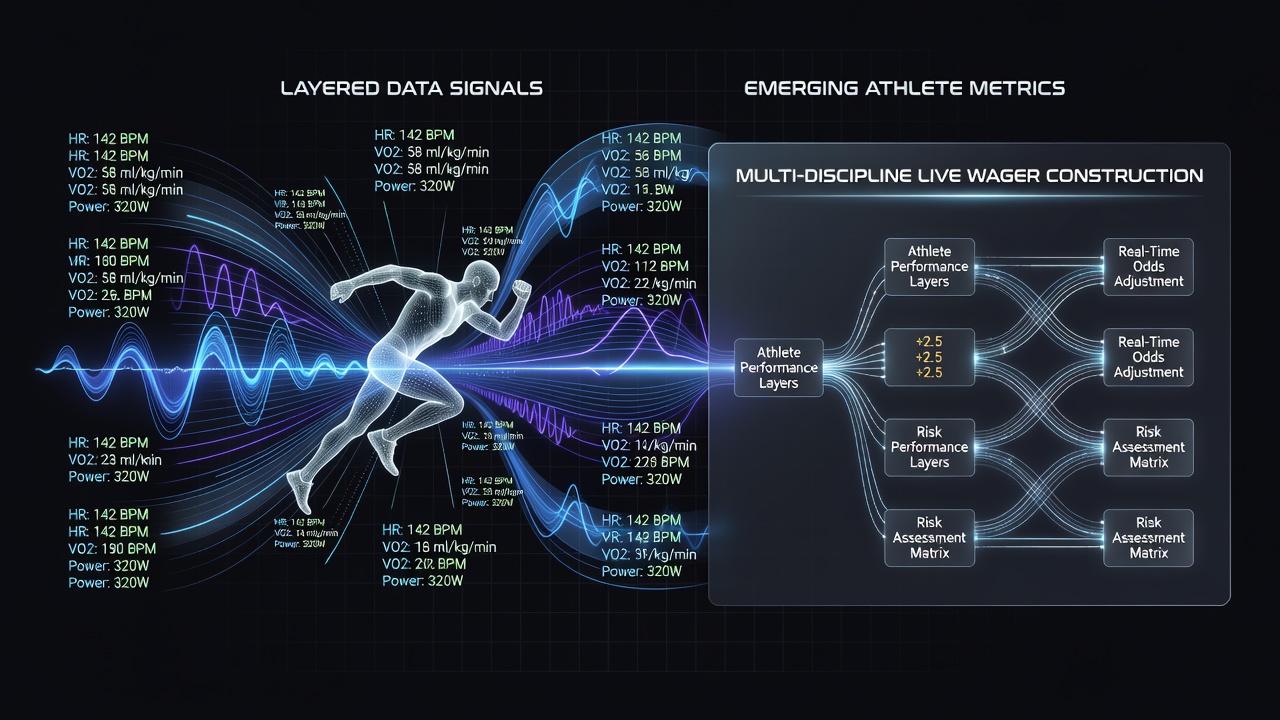
Emerging athlete metrics now feed directly into live wager construction across disciplines because performance tracking systems collect granular signals on heart rate variability, acceleration patterns, and neuromuscular fatigue in real time. These signals layer together when operators integrate wearable sensor outputs with video analytics and historical benchmarks, which creates dynamic inputs for odds that shift during events rather than remaining static.
How Layered Signals Form in Practice
Performance platforms record multiple data streams simultaneously so that a single athlete's output in one sport can influence probability models used in another. A tennis player's serve velocity decay measured through racket sensors combines with recovery interval data from prior matches, while similar layering occurs when football midfielders' GPS-tracked work rates merge with sleep quality metrics collected overnight. Observers note that these combined layers allow models to adjust live probabilities within seconds of new readings rather than relying solely on scoreline updates.
Research indicates that systems processing at least four concurrent metric categories produce more responsive live markets because they capture both acute changes and cumulative load effects. Data from university-led studies on elite training environments shows that neuromuscular fatigue indicators, when layered with positional tracking, correlate with shifts in expected point-win percentages across racket and invasion sports alike.
Cross-Discipline Application Examples
Multi-discipline platforms apply these layered signals when constructing wagers that span events occurring in parallel. One approach stacks a cyclist's power output decline from stage data against a basketball team's defensive rotation efficiency derived from player tracking, creating combined live propositions that update as fresh readings arrive. Another method uses swimmer stroke-rate consistency alongside combat sport reaction-time metrics to refine in-event spread markets that remain open throughout overlapping competition windows.
Figures reveal that integration of such signals expanded in 2025 when several major data providers began offering unified APIs that pull from disparate sports governing bodies. By July 2026 these APIs had incorporated additional recovery biomarkers, allowing operators to refresh live odds based on post-exertion lactate estimates gathered from portable blood analyzers used courtside or trackside.
Technical Infrastructure Behind the Layers
Cloud-based processing pipelines handle the volume by normalizing inputs from different sensor manufacturers into comparable scales before feeding ensemble models. These models apply weighting schemes that prioritize recent signals while retaining baseline athlete profiles built from multi-season archives. The result is a continuously recalibrated probability surface that supports wager types ranging from next-point outcomes to longer in-event segments.
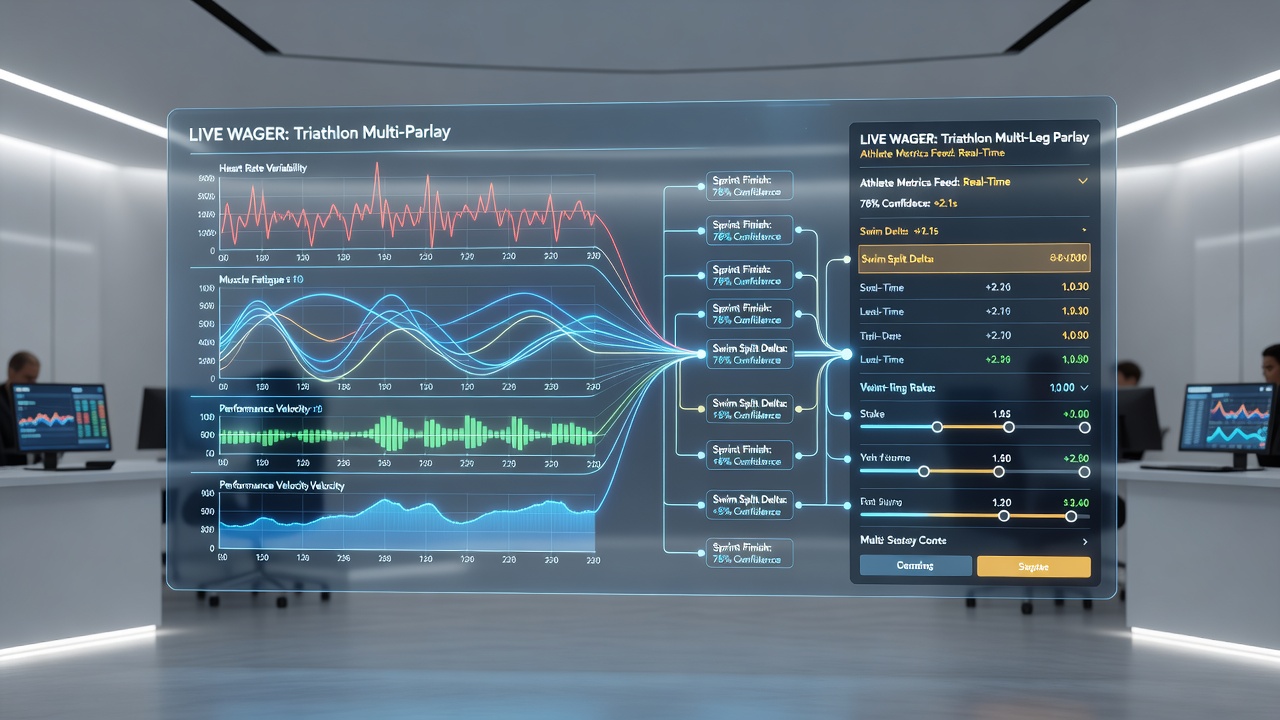
Industry reports from the European Gaming and Betting Association highlight that standardized data schemas introduced in early 2026 reduced latency between metric capture and odds publication to under three seconds in most tested environments. Such reductions matter because live wager construction depends on the narrow window between signal generation and market adjustment before participants react.
Regulatory and Data Governance Context
Authorities in several jurisdictions now require documented audit trails for any metric used in live market pricing. The approach ensures traceability from raw sensor output through normalization steps to final probability figures. Canadian regulatory filings show that operators maintaining such trails experienced fewer disputes over market integrity when layered athlete data drove rapid price movements during multi-discipline tournaments.
Academic sources, including work published through the National Institutes of Health repository, document how privacy-preserving aggregation techniques allow broad metric use without exposing individual athlete identities. These techniques strip personally identifiable elements while preserving statistical relationships that remain useful for probability modeling across sports.
Future Trajectory of Layered Metric Use
Developments scheduled for late 2026 include tighter coupling between athlete monitoring platforms and betting engines through secure, permissioned data channels. Early pilots already demonstrate that combining positional data from one sport with physiological readings from another produces stable edges in constructed live accumulators when the underlying correlations hold across competitions. Observers expect further refinement once additional governing bodies release standardized export formats for training and competition datasets.
Conclusion
Layered data signals derived from emerging athlete metrics continue to reshape how live wager construction operates across multiple disciplines. The integration of real-time physiological, kinematic, and recovery indicators supplies models with inputs that update continuously rather than at fixed intervals. As infrastructure and governance frameworks mature through 2026, the precision and responsiveness of these layered systems show measurable expansion in documented deployments.