9 Jul 2026
UK Gambling Operators Face Twenty-Five Percent Licence Fee Hike from October 2026

The UK government has confirmed that most gambling operators will encounter a twenty-five percent rise in Gambling Commission licence fees beginning 1 October 2026, a move that follows the Department for Culture, Media and Sport consultation on aligning fees more closely with regulatory costs, and while some categories stay unchanged the adjustment touches operating licences, personal licences, variation applications plus assorted related charges across the sector.
Those who've tracked the consultation process know the revenue generated goes straight toward funding the Commission's day-to-day operations, and it includes expanded enforcement work aimed at shutting down illegal gambling markets that operate outside the regulated framework.
Scope of the Fee Adjustments
Most standard operating and personal licences fall under the new rates, which means operators renewing or applying afresh will pay the higher amounts, and anyone seeking to vary an existing licence will also see the increase applied to those transactions, while the changes roll out uniformly except where specific exemptions have been written in.
General betting operating licences move onto a gross gambling yield model that ties fees to market share rather than fixed sums, a shift that replaces the previous flat structure and lets costs scale with actual business volume instead of remaining static.
Exemptions and Special Cases
Society lottery fees stay frozen at current levels, which keeps that category insulated from the twenty-five percent uplift and preserves the existing cost base for those operators, and this distinction reflects the consultation's recognition that certain licence types carry different regulatory burdens than mainstream commercial gambling activities.
Observers note that the frozen rates apply only to society lotteries, leaving the broader commercial market to absorb the full adjustment while the gross gambling yield approach for general betting creates a more variable but potentially proportionate system for larger and smaller players alike.
Funding Regulatory Operations
The additional income supports the Gambling Commission's core functions, including staff resources, compliance monitoring and targeted action against unlicensed operators, and data from the consultation process shows regulators calculated the uplift needed to cover rising enforcement demands without drawing on public funds.
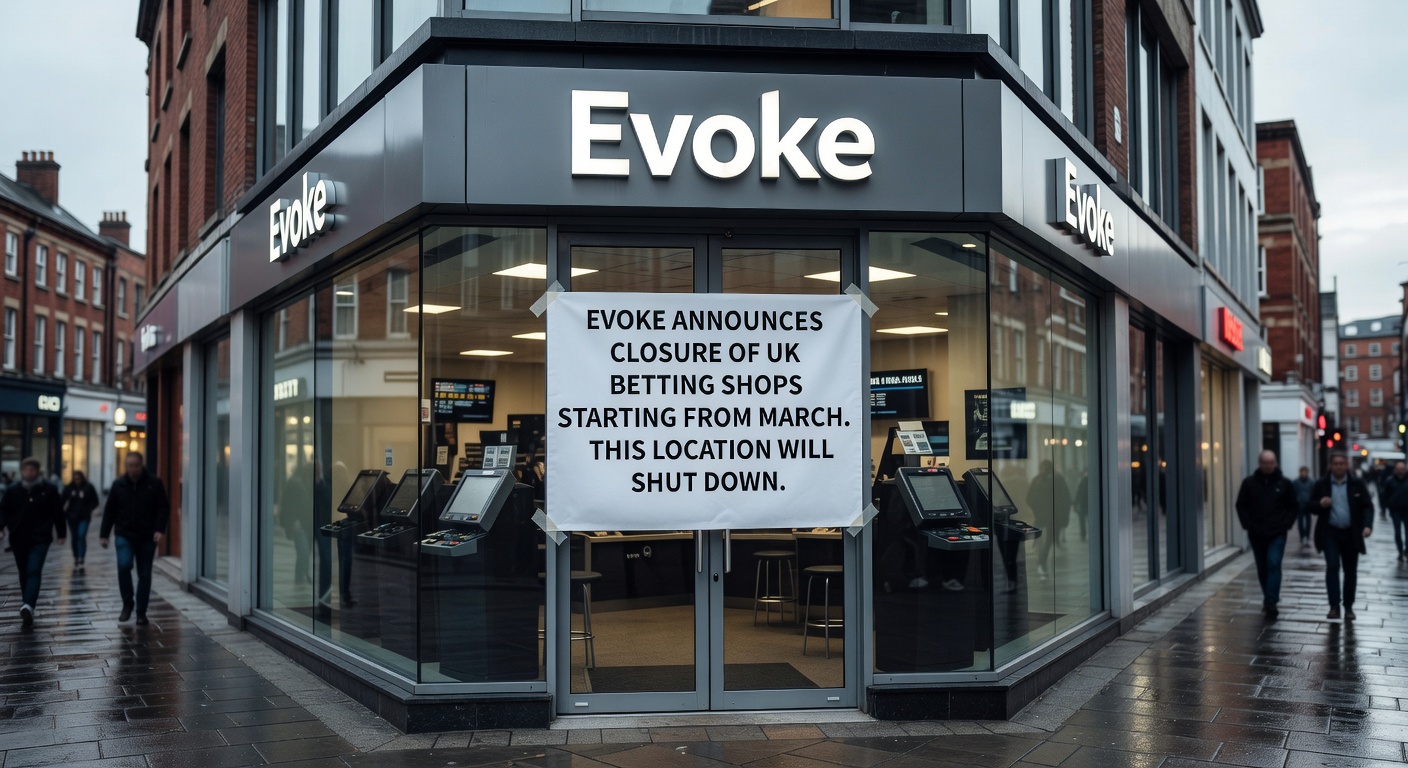
By July 2026 operators will already be mapping out their budgets for the October implementation date, and those preparing applications or renewals in the preceding months will factor the new rates into financial planning well ahead of the deadline.
Consultation Background and Timeline
The DCMS consultation examined how licence fees should reflect actual regulatory workload, and the resulting twenty-five percent figure emerged after analysis of cost data across different licence categories, while the decision to keep society lottery fees unchanged shows where the review found no immediate need for adjustment.
Implementation begins 1 October 2026, which gives the industry roughly fifteen months from the confirmation date to adapt systems, update pricing models and communicate changes to stakeholders, and the phased approach allows the Commission to begin collecting higher fees once the new structure takes effect without disrupting ongoing operations.
Impact on Different Licence Types
Operating licences form the largest group affected, and personal licences held by key individuals within companies also rise by the same percentage, whereas variation applications that previously carried lower fixed fees now carry the increased rate, which means any mid-licence changes carry a higher administrative cost going forward.
The gross gambling yield model for general betting operating licences introduces variability because fees will now track revenue performance, and this structure can result in lower relative costs for smaller operators while scaling upward for those with larger market shares, yet the overall twenty-five percent uplift still applies as the baseline adjustment.
Conclusion
The confirmed fee increase represents a direct outcome of the DCMS review aimed at matching regulatory income with operational demands, and while society lotteries remain protected the majority of commercial operators must prepare for higher costs starting October 2026, with the revenue directed toward sustained enforcement and oversight activities across the licensed market.