Evoke's UK Betting Shop Closures: Tax Hikes and Costs Trigger Shutdowns from May 2026

The Announcement Unfolds
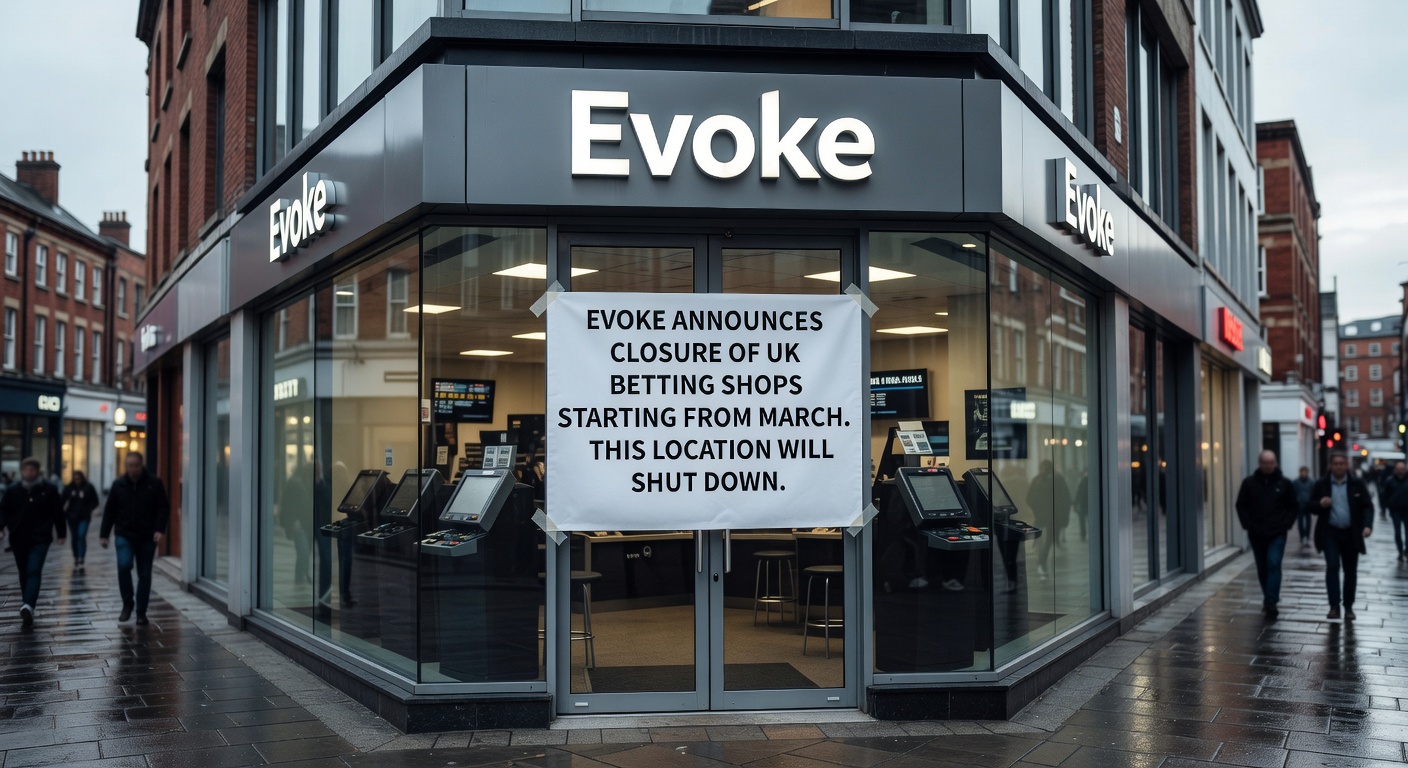
British betting group Evoke revealed plans to close a significant number of its UK betting shops starting in May 2026, pinning the decision squarely on mounting cost pressures and steeper taxes reshaping the gambling landscape; this move, reported by Bloomberg via Reuters, signals deeper troubles for traditional high-street operations as operators grapple with financial squeezes that have built up over years.
Evoke, which runs brands like Betfred and Paddy Power in physical spaces, didn't specify an exact tally of closures in initial statements, but observers note the scale could run into the hundreds, echoing patterns seen in prior industry consolidations where chains trimmed outlets to stay afloat; the timeline aligns with upcoming regulatory shifts, particularly the remote gaming tax hikes set to bite from April 1, 2026, which, according to CDC Gaming reports, threaten a ripple effect across both digital and land-based sectors by inflating operational burdens unevenly.
And while the closures kick off next May, the groundwork feels tied to these April changes, since tax pressures on online arms often cascade into decisions about brick-and-mortar viability, forcing firms like Evoke to rethink portfolios amid squeezed margins.
Evoke's Place in the Betting World
Evoke plc, listed on the London Stock Exchange, oversees a sprawling network that blends online platforms with high-street shops, boasting thousands of locations across the UK before this announcement; data from company filings shows physical betting shops formed a core revenue stream historically, drawing punters for in-person slips on horse races, football matches, and more, yet recent quarters reveal a pivot as online wagering surges past 80% of total gross gaming revenue in the broader sector.
Take one snapshot from 2025 earnings: Evoke's shop estate generated steady footfall during major events like Cheltenham or the Grand National, but fixed costs—rents, staffing, utilities—ate into profits while digital channels scaled with lower overheads; experts tracking the firm point out how this duality, once a strength, now exposes vulnerabilities, especially as consumer habits shift toward apps and websites for quicker, anytime bets.
What's interesting here lies in the timing; Evoke joins a parade of operators who've shuttered sites over the past half-decade, with chains like William Hill and Ladbrokes paring back by over 1,000 combined outlets since 2020, according to industry trackers, because the math simply stopped adding up for underperforming locales.
Cost Pressures Mounting on All Fronts
Rising operational expenses top the list of culprits, from escalating energy bills that spiked 40% post-2022 energy crisis to wage hikes pushing minimum pay toward £12 per hour, squeezing thin margins in shops where average daily takings hover around £5,000-£10,000 per site; add in business rates—those hefty property taxes that hit retail hardest—and landlords chasing market rents, and the squeeze turns brutal, particularly for venues in secondary high streets where punters have thinned out.
But here's the thing with taxes: the sector faces a double whammy, since while land-based duties like machine games remain steady, the April 2026 remote gaming duty increase—from 21% to potentially higher tiers on online gross profits—pressures hybrid operators like Evoke to consolidate; figures from teh European Gaming and Betting Association highlight how such levies, aimed at curbing problem gambling, inadvertently accelerate shop rationalizations by redirecting funds online, where compliance costs also climb but volumes compensate.
Researchers who've dissected similar moves, such as those by Australia's Tabcorp in downsizing wagering outlets amid digital booms, observe parallel dynamics; there, regulatory tweaks in 2024 prompted 15% shop cuts, mirroring how UK firms now eye efficiencies to offset what could be a 5-10% revenue hit from new duties.
So, closures become not just reactive but strategic, with Evoke likely targeting low-volume shops in oversaturated areas, preserving flagships near racecourses or football grounds where loyalty endures.
Shifting Tides: Online Dominance Reshapes the Landscape
The migration to digital betting underscores this shakeout, as UK punters placed over 25 billion online bets in 2025 alone, per sector analytics, dwarfing high-street volumes that have dipped 20% since pre-pandemic peaks; apps offer live streaming, cash-out features, and personalized odds—perks hard to match in a smoky corner shop—drawing younger demographics who shun queues for thumb-swipes.
Turns out, this trend amplifies cost woes; physical sites demand 24/7 security, accessibility compliance, and cash-handling logistics that online skips entirely, while regulatory nods to affordability checks layer on admin burdens felt more acutely in staffed environments.
One case that stands out involves Entain, Evoke's peer, which axed 800 shops by 2024 after online overtook 70% of its business, boosting share prices despite high-street losses; observers note Evoke follows suit, betting survival on its robust digital estate—Paddy Power's viral campaigns and Betfred's slots pulling in record users amid football seasons and Cheltenham buzz.
Yet, the rubber meets the road in hybrid models; while pure-play online firms thrive, those straddling both—like Evoke—must prune the drag, especially as economic headwinds like inflation erode disposable spend on leisure gambles.
Job Impacts and High Street Ripples
Shop workers face the sharpest edge, with closures potentially idling hundreds in roles from cashiers to traders, though Evoke signals redeployments to stronger sites or digital support; unions like Unite have flagged such transitions historically, pushing for retraining in customer service or compliance amid a sector where entry-level jobs cluster in deprived areas.
High streets feel the pinch too; betting shops, once anchors alongside pubs and takeaways, contribute to footfall that sustains newsagents and chip shops, so their exit—coupled with 5,000+ industry closures since 2019—accelerates vacant unit woes, prompting councils to rethink retail mixes toward cafes or gyms.
That's where data gets telling: a 2025 study by the American Gaming Association, examining global parallels, reveals land-based declines mirror US casino shifts post-2018 PASPA repeal, where online legalization halved some retail footprints without crashing local economies, as revenues recirculated digitally.
People in affected towns often discover adaptations kick in—pop-ups for events, or pivots to esports lounges—but the transition stings short-term, underscoring why firms time cuts post-major tax events like April 2026.
Regulatory Backdrop and Future Horizons
Beyond immediate taxes, broader rules play in, from stake caps on fixed-odds machines slashed to £2 in 2019, gutting shop profitability, to whistle-to-whistle ad bans curbing promo draws; these, enforced variably across regions, push operators toward scalable online where geo-fencing and self-exclusion tech integrate seamlessly.
Now, with April's remote duty rise looming, Evoke's May start dates the pain strategically, allowing prep for compliance while harvesting Q1 2026 revenues; analysts project the sector's online arm growing 12% annually through 2030, per H2 Gambling Capital forecasts, cushioning physical retreats.
Experts who've modeled this foresee consolidation waves, with survivors like Evoke emerging leaner, funneling high-street nostalgia into hybrid experiences—perhaps pop-up shops at festivals—while chasing growth in emerging markets like virtual sports.
Conclusion
Evoke's planned betting shop closures from May 2026 crystallize the gambling industry's pivot, driven by relentless cost climbs and tax escalations that favor digital over doors; as April 2026 duties reshape finances, this single firm's moves spotlight a sectorwide recalibration, where high-street traditions yield to online efficiencies, reshaping jobs, streets, and betting habits in ways that feel both inevitable and poignant.
The reality? Traditional shops won't vanish overnight—flagships endure for that tactile thrill—but their footprint shrinks, urging stakeholders from regulators to punters to adapt amid a landscape where the ball's firmly in the digital court.