27 Jun 2026
Integrating Equine Pace Profiles With Racket Sport Set Timings for Layered Multi-Outcome Formations
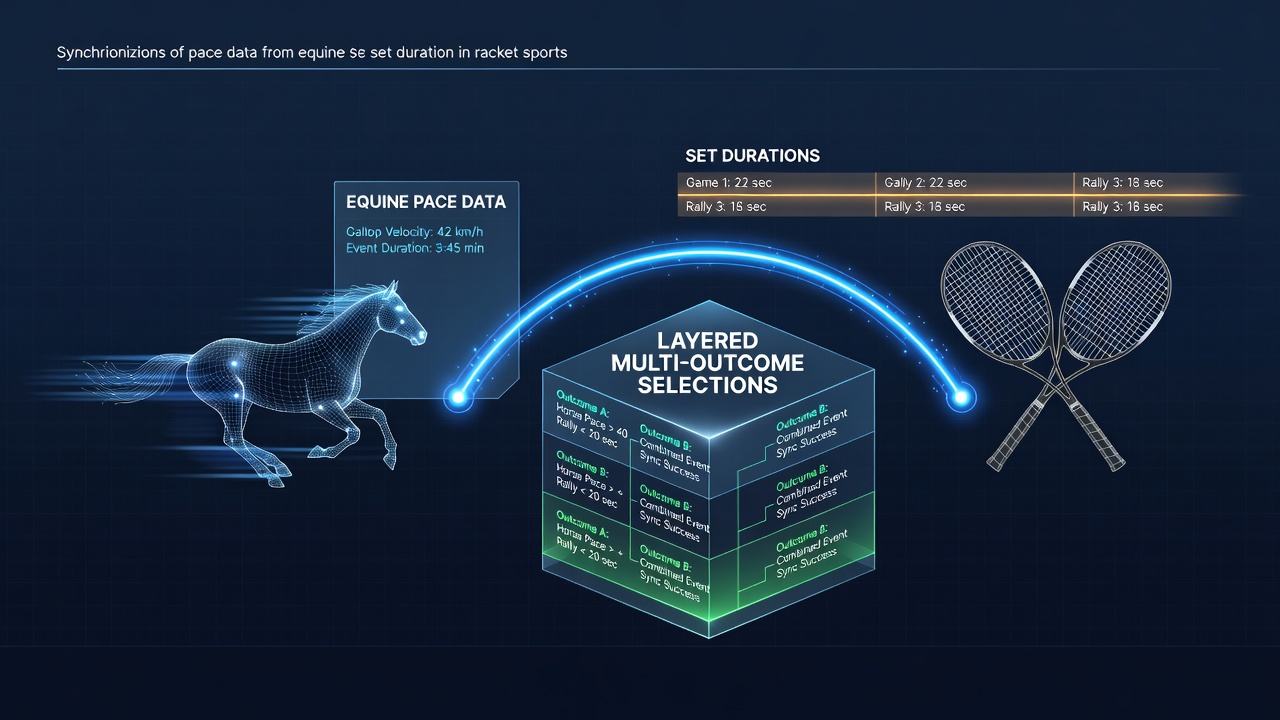
Analysts in sports data sectors have developed methods that align pace measurements from equine competitions with fixed time intervals in racket sports, creating structures for selections that span multiple outcomes across events. These approaches draw on timing records from horse races and duration logs from tennis matches or similar disciplines to inform combinations where each layer depends on prior results holding within specified windows. Observers note that such synchronization relies on consistent datasets rather than isolated figures, allowing patterns in speed maintenance during races to inform expectations around set lengths in court-based play.
Core Elements of Equine Pace Recording
Equine events generate pace data through sectional timing at fixed distances, with organizations tracking average speeds over segments that range from sprints to longer routes. Researchers at institutions focused on animal performance have compiled databases showing how early leaders maintain or drop velocity, while mid-race surges appear in certain track conditions. When these records feed into broader systems, they pair with external variables such as surface type and distance to produce baseline expectations for future runs. Data from Australian racing authorities indicates that sectional splits recorded during 2025 meetings provided reference points later used in cross-discipline models, and updates scheduled for June 2026 aim to standardize reporting across additional jurisdictions.
Fixed Durations in Racket Sport Contexts
Racket sports supply set durations measured from first serve to final point, with professional tours logging average lengths for best-of-three and best-of-five formats. Studies conducted by European sports science groups reveal that tie-break sets often extend beyond standard ranges while straight-set victories cluster around shorter totals. These timings become inputs when analysts seek correlations with other athletic outputs, since a match concluding in under ninety minutes may align with rapid equine finishes in related prediction layers. Patterns emerge when historical averages from Grand Slam events combine with surface-specific adjustments, allowing duration forecasts to sit alongside pace-derived probabilities from parallel competitions.
Methods for Data Alignment Across Disciplines
Alignment begins with mapping comparable metrics, such as converting equine sectional times into expected race completion ranges that mirror tennis set windows. Software platforms used by performance analysts apply normalization techniques so that a horse covering a mile in one minute forty seconds occupies a similar statistical position to a set lasting fifty-five minutes. Teams then construct layered selections by assigning weights to each synchronized element, ensuring that an equine outcome must occur within its predicted band before the racket sport layer activates. One study released by a Canadian research consortium in late 2025 demonstrated that models incorporating both pace clusters and duration bands produced tighter variance in projected results than single-sport baselines alone.
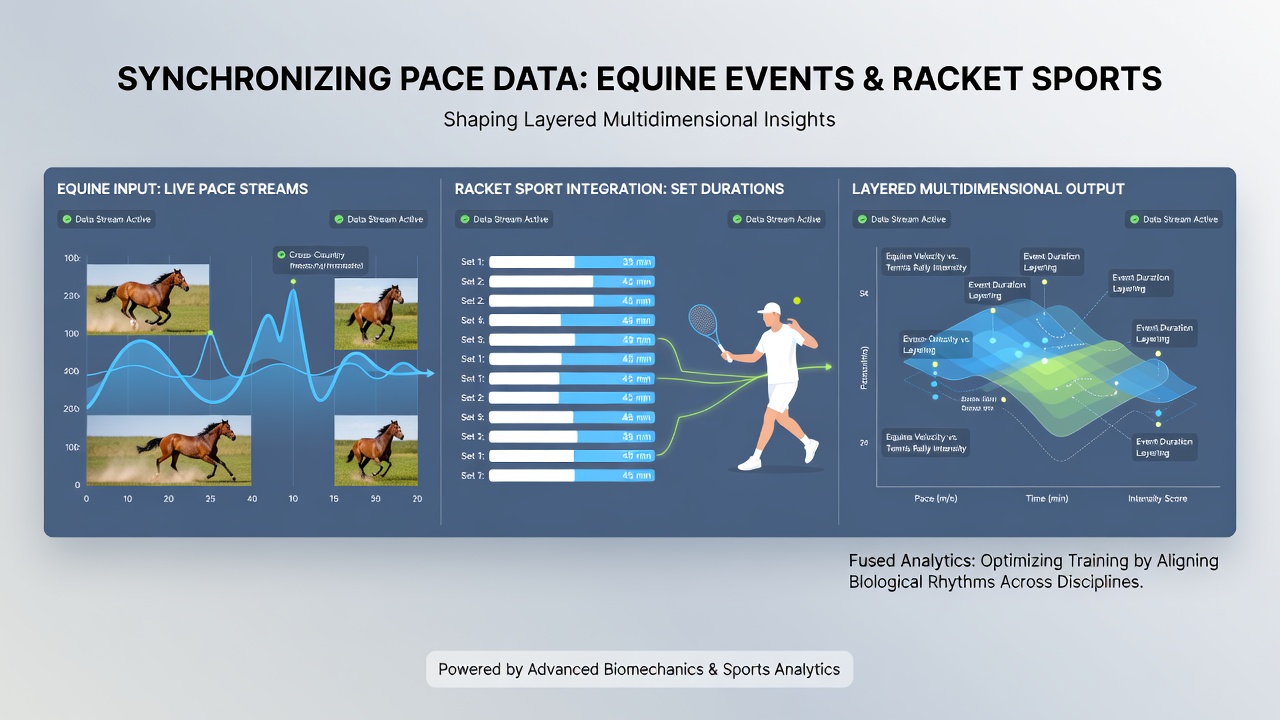
Implementation frequently involves iterative testing against archived events, where analysts replay sequences to verify whether pace thresholds correctly anticipate duration brackets. Adjustments occur when track biases or court speeds deviate from long-term norms, prompting recalibration of the connecting formulas. Industry reports from the International Federation of Horseracing Authorities highlight that federations in multiple regions adopted shared data standards during 2025, which in turn supported smoother integration with racket sport timing archives maintained by separate governing bodies.
Practical Applications in Multi-Outcome Structures
Layered formations gain definition when each component carries conditional dependencies, such as requiring an equine pace target to be met before a racket sport duration outcome counts toward the overall result. Practitioners apply these structures across daily schedules where morning equine meetings precede afternoon or evening racket events, creating chronological sequences that match data windows. Records from 2025 tournaments show instances where synchronized thresholds identified combinations that aligned with actual results more frequently than unsynchronized pairings, though variance remained across different venues and surfaces. June 2026 schedules include expanded trials of these models during overlapping festival periods, with participating analysts expected to publish comparative performance metrics afterward.
Challenges in Maintaining Synchronization Accuracy
Discrepancies arise when environmental factors alter either equine pace or racket sport durations outside modeled ranges, requiring real-time updates to keep layers valid. Surface changes, weather shifts, and participant substitutions introduce variables that static historical averages cannot fully capture. Organizations addressing these issues maintain live feeds that adjust thresholds dynamically, drawing on sensor data from both racing tracks and court facilities. Evidence from collaborative projects between academic groups in North America and Asia indicates that hybrid models incorporating live adjustments reduced misalignment rates compared with fixed-parameter versions.
Conclusion
Synchronization of equine pace records with racket sport set durations continues to evolve through shared standards and iterative refinement, supporting the construction of layered multi-outcome selections that span distinct athletic domains. Continued data collection scheduled through mid-2026 will supply additional test cases, allowing refinement of alignment techniques across expanding event calendars.