21 Jul 2026
Integrating Live Rally Metrics and Sectional Timings Opens New Paths for Cross-Sport Accumulator Strategies
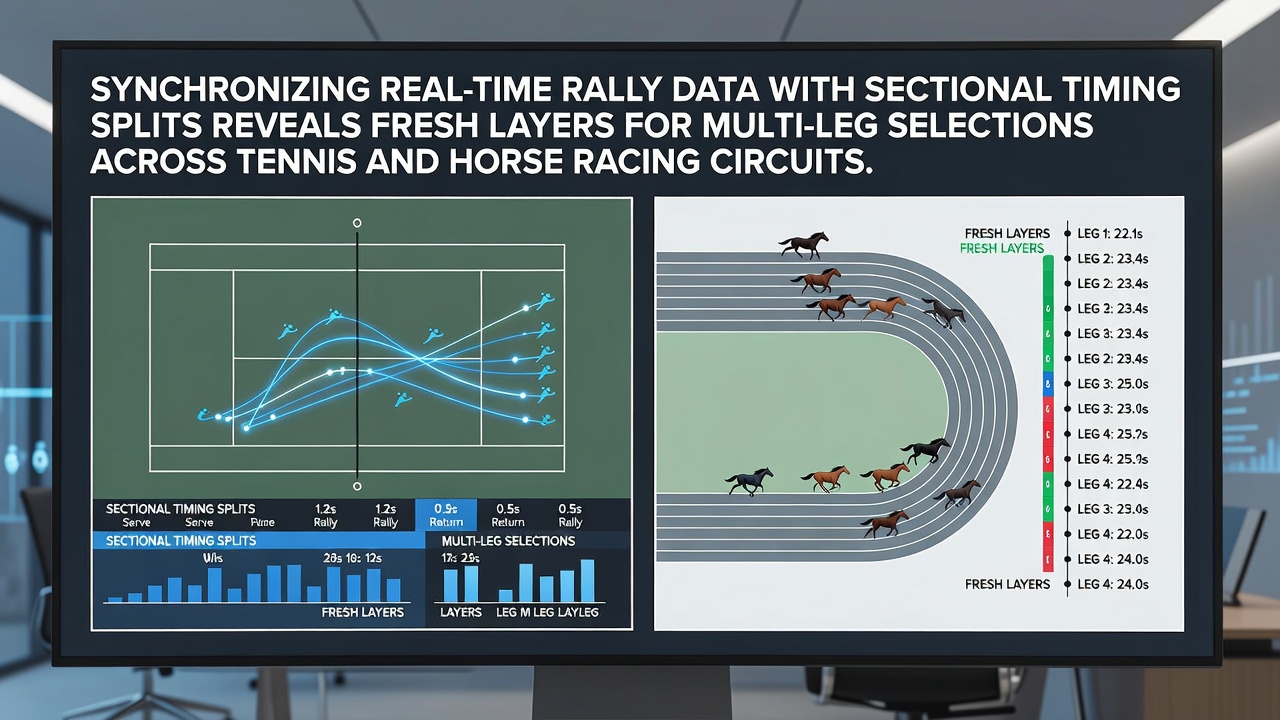
Analysts now combine real-time tennis rally statistics with precise sectional splits from horse races to build layered selections that span both circuits, and this approach has gained traction as data feeds become more granular. Rally data captures ball velocity, shot sequences, and court coverage patterns during ongoing points, while sectional timings break races into measured segments that reveal pace changes, energy distribution, and late-race surges. When these streams align in timing and context, bettors gain indicators that extend beyond single-sport models.
Core Components of the Data Streams
Tennis rally information arrives through ball-tracking systems that log speed, spin, and trajectory at high frequency, allowing reconstruction of point construction and fatigue signals. Horse racing sectionals record split times at fixed intervals along the track, highlighting early speed, mid-race adjustments, and closing strength. Observers note that matching these elements requires synchronized timestamps so that a prolonged tennis rally ending near a service break can correspond with a horse's sectional acceleration in the final furlong of its race.
Platforms processing both datasets apply algorithms that normalize variables such as duration, intensity peaks, and recovery intervals. This normalization produces comparable metrics that feed into accumulator calculations across legs drawn from separate events. Research from sports analytics groups shows that such alignment improves identification of value points where one sport's momentum indicator aligns with another's performance threshold.
Technical Synchronization Methods
Engineers align the feeds by converting rally timestamps into race-clock equivalents and mapping intensity scales so that a five-shot tennis exchange registers similarly to a mid-race sectional effort. Software tools then scan for correlations, for instance linking extended baseline rallies with horses that maintain even sectional splits before finishing strongly. Data pipelines update these matches continuously during live events, giving selectors fresh inputs for multi-leg combinations.
According to reports from Racing Australia, sectional data volumes increased notably through 2025 and into mid-2026, while ATP and WTA tracking systems expanded point-level granularity. These parallel expansions allow cross-sport models to test hypotheses on shared fatigue patterns without relying solely on historical averages.
Application to Multi-Leg Accumulator Construction
Selectors use the combined indicators to weight legs in accumulators that mix tennis matches with horse races scheduled on the same day or weekend. A tennis player's rally endurance reading might reinforce selection of a horse showing consistent sectional maintenance, while a sudden drop in rally intensity could flag caution on a related equine contender. This layering adds dimensions that single-sport statistics miss, because the timing splits and rally sequences operate on different physical surfaces yet share measurable stress-response traits.
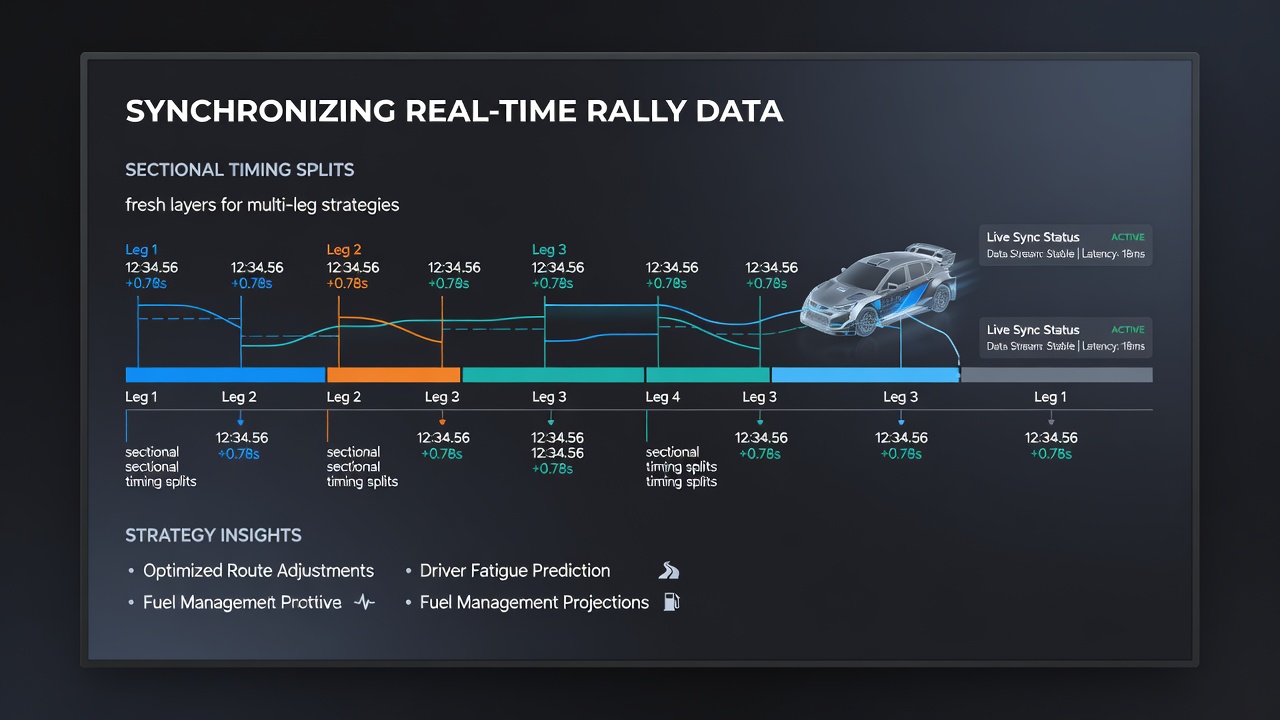
One documented workflow involves pulling live rally counts during a grand-slam session and cross-referencing them against afternoon race meetings at tracks in Europe and Australia. The process flags instances where elevated rally lengths coincide with horses posting even sectional profiles, producing candidate legs for longer accumulator chains. Figures from industry data providers indicate that such fused datasets now support selections across dozens of daily events rather than isolated markets.
Developments Observed Around July 2026
By July 2026 several data vendors had rolled out unified APIs that stream both tennis rally and equine sectional information under common schemas. This standardization reduced latency between capture and model input, enabling near-real-time refreshes for accumulator builders. Observers tracking these releases report that European and North American operators began testing combined feeds during overlapping summer tournaments and festival race meetings, where scheduling density creates natural opportunities for multi-leg plays.
Academic papers from institutions such as the University of Melbourne have examined how synchronized stress metrics translate across sports, and early findings point to improved calibration of probability estimates when sectional and rally variables interact. These studies supply reference benchmarks that selectors incorporate into their weighting systems without altering core risk parameters.
Practical Examples from Recent Circuits
During a sequence of events in early summer 2026, analysts tracked a tennis player whose rally lengths climbed steadily through successive sets alongside a thoroughbred whose sectional times remained stable through the final bend. The paired signals contributed to an accumulator that included both outcomes. Separate instances involved horses displaying late sectional lifts that aligned with tennis matches featuring short, high-intensity exchanges, producing selections that performed in line with the fused indicators.
Those who maintain ongoing records of these combinations note that the method requires continuous validation against actual results, because surface conditions, weather shifts, and schedule changes can alter the underlying correlations. Data from Equibase and similar repositories supplies the raw sectional numbers, while international tennis federations provide rally archives that feed the same processing pipelines.
Conclusion
The practice of aligning real-time tennis rally statistics with horse racing sectional timings continues to expand the range of inputs available for multi-leg accumulator construction. As synchronization tools mature and additional circuits adopt standardized tracking, the approach supplies selectors with structured layers that connect performance patterns across distinct sports. Continued monitoring of data volumes and model outputs through 2026 will clarify how widely these methods integrate into routine selection processes.