16 May 2026
Thin Air Tactics: How High-Altitude Conditions Shape Athletic and Equine Outputs in Targeted Accumulator Strategies
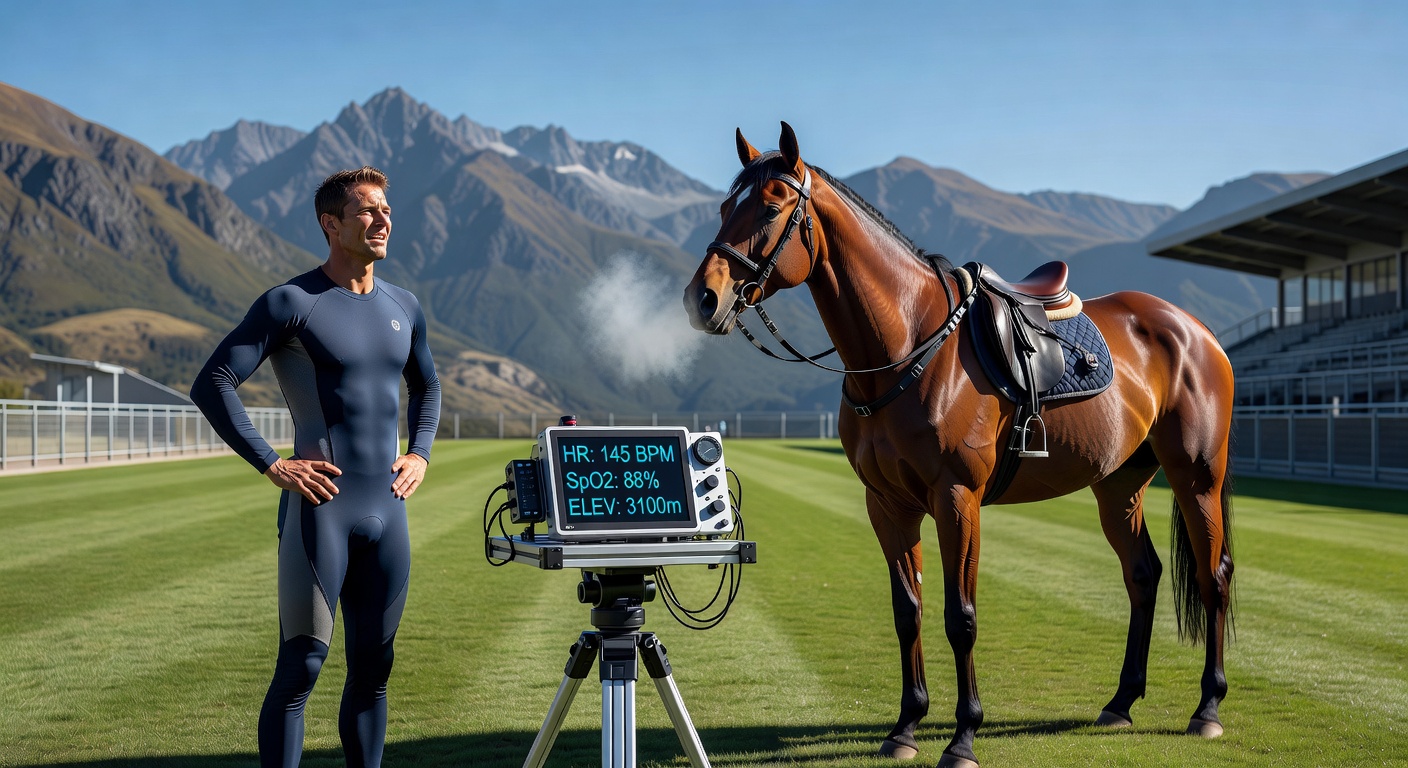
High-elevation sports venues create distinct physiological demands that alter both human athletes and racehorses in measurable ways, and those changes feed directly into accumulator construction for football, tennis, and horse racing markets. Venues such as La Paz at 3,650 metres, Mexico City at 2,240 metres, and Johannesburg at 1,753 metres reduce oxygen availability, which forces adjustments in pacing, recovery, and power output across repeated efforts.
Physiological Responses in Human Athletes
Researchers tracking footballers and tennis players at these elevations report immediate drops in maximal oxygen uptake that range from 7 to 15 percent within the first 24 hours of arrival. Data compiled by the American Physiological Society shows that repeated sprint capacity declines more sharply than single-bout power, which means teams accustomed to sea-level training often see second-half output fall by double-digit percentages. Midfielders and wide players cover fewer high-intensity metres, while goalkeepers and central defenders maintain closer to baseline figures because their work is less continuous.
Tennis players face parallel constraints on court surfaces at altitude. Ball speed increases because of lower air density, yet player recovery between points slows when rallies extend beyond six or seven shots. Match data from ATP events staged above 1,500 metres indicate that sets lasting longer than 45 minutes produce measurable increases in unforced errors during the final games, creating measurable edges in under-total-games markets that accumulator builders can layer with football selections.
Equine Performance Adjustments at Elevation
Racehorses experience comparable oxygen-delivery limitations, although their response timelines differ from those of humans. Studies of thoroughbreds competing at tracks above 1,800 metres show that horses with prior exposure to similar conditions maintain stride efficiency better than newcomers. Heart-rate recovery after the finish line lengthens by 12 to 18 seconds on average, according to veterinary monitoring programs at Colorado tracks. Trainers who ship in horses without a seven-to-ten-day acclimatisation window often record finishing times that lag 1.5 to 2.5 lengths behind sea-level benchmarks.
Sprint races under 1,200 metres show smaller relative effects than staying events beyond 1,600 metres, because anaerobic energy systems contribute more heavily to short bursts. This split has prompted accumulator specialists to weight short-distance selections more heavily when high-altitude meetings appear in multi-leg bets, while treating longer-distance legs with greater caution or pairing them with opposing trends such as strong recent form on flat tracks.

Accumulator Construction Patterns
Tipsters who build cross-sport accumulators now incorporate elevation-adjusted metrics into their models rather than relying on raw historical averages. One common approach pairs under-2.5-goal football legs from Mexico City fixtures with tennis over-games lines at similar altitudes, because reduced endurance produces fewer total goals yet longer tennis sets. Horse-racing legs from Johannesburg or similar venues are then filtered for horses with documented prior runs at elevation, which improves strike rates in place and each-way markets.
Weather overlays add another layer. Lower air pressure at altitude interacts with wind and temperature, altering ball flight in tennis and perceived effort in both football and racing. Observers note that accumulator builders who cross-reference live wind data with elevation profiles achieve tighter variance in projected totals than those using generic course-and-distance statistics alone.
Recent Data Trends and Venue Examples
Football confederation records from South American qualifiers staged between 2023 and 2025 reveal that visiting sides from lowland nations concede 0.4 more goals per game on average when playing above 2,500 metres, yet the same sides also score slightly more often on the counter because home teams tire faster after the hour mark. This pattern supports accumulator legs that combine home win with over-2.5 total goals when the visitors possess pace on the break.
Equine form databases from the same period show that horses returning to high-altitude tracks after a spell at sea level post win rates 8 percent above their overall career average in sprints, while staying performers require at least two prior runs at the venue before their place percentages stabilise. These thresholds now appear in tipster spreadsheets that feed multi-leg bets across weekends featuring mixed football, tennis, and racing fixtures.
Conclusion
Altitude therefore functions as a quantifiable variable that accumulator builders can model rather than an unpredictable wildcard. By integrating oxygen-uptake decrements, recovery timelines, and venue-specific historical splits, those constructing specialised multis gain edges that remain hidden when data pools ignore elevation. Venues above 1,500 metres continue to host major events through 2026 and beyond, so the same physiological patterns are expected to recur unless training protocols or scheduling rules change materially.