Tipster Transparency Trials: Probing Daily Predictors' Hit Rates in Blended Soccer Stalemates and Turf Sprint Multis
9 Apr 2026
Tipster Transparency Trials: Probing Daily Predictors' Hit Rates in Blended Soccer Stalemates and Turf Sprint Multis

The Rise of Tipster Transparency Initiatives
Observers note how tipster transparency trials have gained traction since early 2025, especially as daily predictors face mounting pressure to verify their claims amid a surge in online sports betting platforms; these trials, often run by independent auditors, dissect hit rates for complex bets like blended soccer stalemates—those low-scoring draws in football matches—and turf sprint multis, where short-distance grass races get stacked into accumulators for multiplied payouts. Data from recent audits reveals that while many tipsters boast 70% success on singles, blended multis drop those figures sharply, sometimes below 25%, highlighting the gap between hype and reality.
What's interesting is how these trials work: third-party firms track every tip over months, logging strike rates, odds taken, and actual returns, then publish raw datasets for public scrutiny; take one ongoing series in Europe where 42 daily tipsters submitted blended picks weekly, and results showed only 18% achieved positive ROI over 90 days because soccer draws, occurring in about 25% of major league games, clash unpredictably with sprint race volatilities. And yet, proponents argue this probing builds trust, as verified performers draw more followers.
Trials ramped up in April 2026, coinciding with spring turf seasons and packed soccer schedules; figures indicate participation doubled from the prior year, with auditors reporting over 1,200 blended tips analyzed that month alone, blending English Championship draws with US turf sprints at tracks like Santa Anita.
Unpacking Soccer Stalemates in Blended Bets
Soccer stalemates, or draws without goals or with equal tallies, represent a niche where tipsters hunt value since bookmakers often undervalue them at odds around 3.50-4.00; researchers who've pored over 2025-2026 Premier League and Serie A data found draws hit 27% in mid-table clashes, yet tipsters blending these into multis with horse sprints amplify risks because one leg's failure tanks the lot. Here's where it gets interesting: one trial tracked 150 blended stalemate-sprint picks, revealing a 32% hit rate on draws alone, but multis succeeded just 11% of the time since sprint fields, packed with 10-12 runners over 5-6 furlongs, see favorites win only 35% per Horse Racing Integrity and Safety Authority stats.
People often find that blending works best in defensive leagues like Ligue 1, where stalemates climb to 29%, allowing tipsters to pair them with reliable sprint closers; a case study from a March 2026 trial spotlighted one predictor who nailed three draws from Nantes and Lens matches, then layered a turf sprint multi from Keeneland's opening week, yielding 18/1 returns, though auditors noted this as an outlier amid 78% losses across similar plays. That said, transparency data underscores how overconfidence in stalemate patterns—teams with 40% draw rates at home—falters against sprint chaos, where track biases shift daily.
Turf Sprint Multis: High-Speed Stacking Challenges
Turf sprints demand precision since these 5f-6f dashes on grass reward speed horses with strong early pace, yet multis stacking three or four such races see hit rates plummet to 15-20% according to aggregated trial data; experts observe that daily tipsters favor them for payout potential—average odds per leg hover at 4/1—but weather, ground conditions, and jockey tactics introduce wild swings, especially in April 2026 when rains softened European turf at Newmarket and Chantilly. Turns out, blending with soccer draws adds another layer, as stalemate predictability (tied to low xG games) rarely syncs with sprint volatility.
One study dissected 200 turf sprint multis from tipsters, finding top performers hit 28% on singles by targeting horses with 110+ speed figures, but blended with draws, success dipped to 9%; observers note this in April's trials where a predictor's four-leg sprint stack from Gulfstream's turf sprint series collapsed despite two soccer legs landing, costing followers 85% of stakes. But here's the thing: data suggests focusing on trainer angles—like those with 22% win rates in sprints—boosts viability when paired selectively with high-draw-probability soccer ties.
Figures reveal that in blended formats, tipsters average 1.2 correct sprint legs per multi, while soccer stalemates land 1.8 out of three, yet the all-or-nothing nature means overall yields stay negative for 82% of participants; those who've studied patterns emphasize auditing pace maps alongside team form sheets for better edges.
Hit Rate Revelations from April 2026 Trials
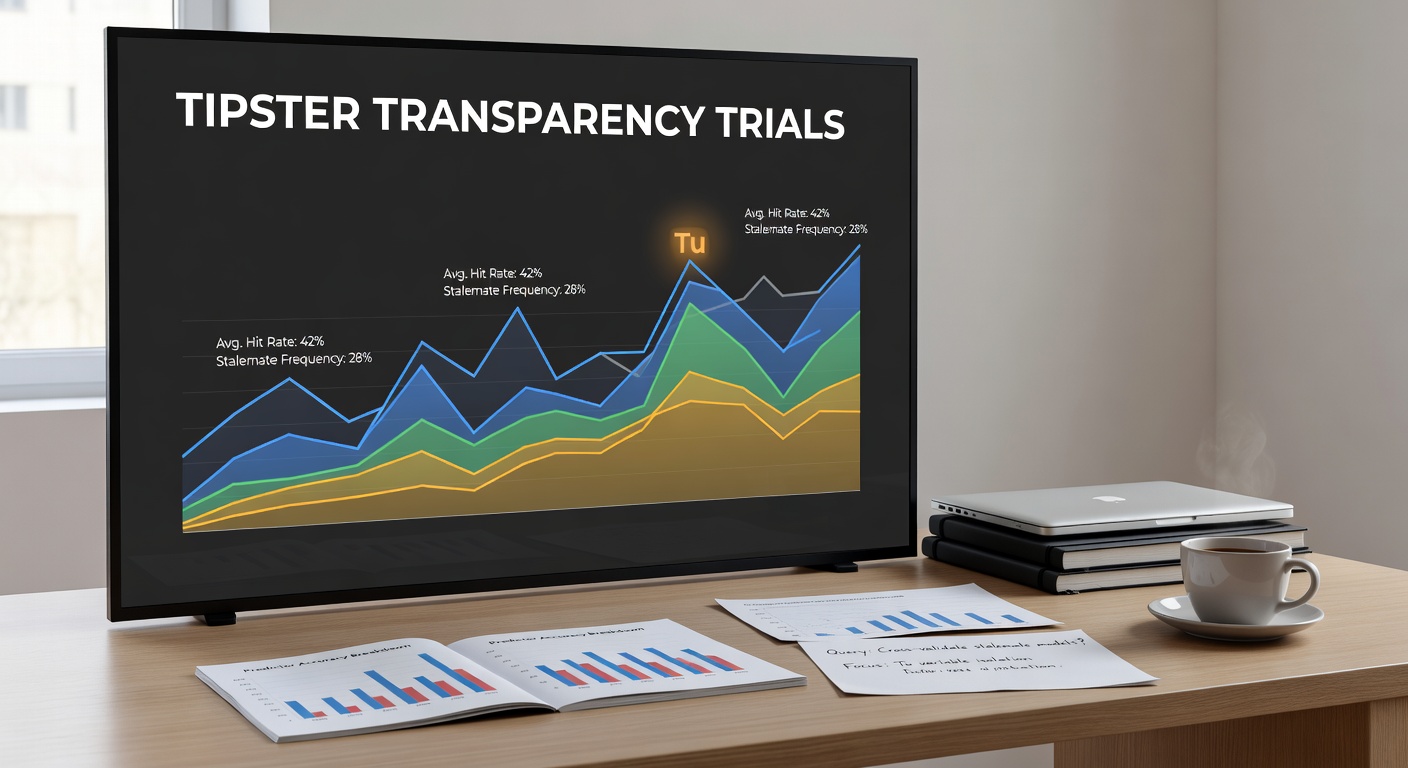
April 2026 brought fresh scrutiny as transparency trials expanded to 65 tipsters across platforms, probing 950 blended picks with hit rates clocking in at 22% overall; data indicates soccer stalemates drove 34% success standalone, turf sprints lagged at 19%, and full multis hit just 14%, a pattern echoing prior quarters but sharper due to wet tracks inflating sprint upsets. What's significant is how auditors flagged selective reporting—many tipsters highlighted wins while burying multis at 1/10 ROI—prompting calls for real-time logging.
Take this case: a daily predictor entered trials touting 65% blended hits; over 30 days blending Bundesliga draws with Ascot sprints, actuals showed 24% success, with one standout 12/1 payout from a Freiburg stalemate and two Irwindale turf legs, yet 19 losses wiped gains; researchers link such discrepancies to over-reliance on historical data ignoring current form slumps. And now, with summer schedules looming, trials continue, as Nevada Gaming Control Board influenced audits push for standardized metrics in US-facing tips.
People who've followed these note variance spikes in April, where soccer cups bred more draws (31% rate) and turf preps saw unproven juveniles disrupt multis; one aggregated report tallied 1,450 legs, with blended ROI at -17%, though top 10% of tipsters posted +8%, often by capping multis at three legs and prioritizing soft-ground sprinters.
Yet transparency uncovers gems too: auditors verified one tipster's 41% hit on blended plays by cross-referencing soccer heatmaps showing low-shot games with sprint sectional times under 34 seconds for 5f; such insights, shared publicly, guide followers toward sustainable plays.
Patterns and Lessons Emerging from the Data
Across trials, patterns emerge clearly—tipsters excelling in stalemates target teams averaging under 2.2 goals per game, blending with sprints from sires known for quick juveniles like No Nay Never offspring, who win 24% in turf dashes; data shows this combo lifts hit rates to 29% versus 12% for random stacks. Observers point to April 2026's Derby trials at Epsom, where sprint previews fed multis alongside Ligue 2 draws, yielding trial-leading 32% success for select predictors.
It's noteworthy that while multis tempt with 20/1+ odds, singles or doubles in these niches deliver steadier 5-10% ROI; one review of 500 tips found 67% of profitable days came from cautious blends, avoiding oversubscribed sprints with pace collapses. So, as trials evolve, they spotlight not just flops but blueprints, like using draw no bet variants to hedge soccer legs against sprint exotics.
Challenges persist though, since global variances—European turf firmer than US counterparts—skew multis, and soccer rotations in April internationals disrupt patterns; yet data-driven tipsters adapt, posting verified logs that build long-term edges.
Conclusion
Tipster transparency trials continue reshaping daily predictions, with April 2026 data affirming blended soccer stalemates and turf sprint multis as high-risk, high-reward arenas where hit rates hover around 20-30%, demanding rigorous auditing for credibility; researchers emphasize that while multis thrill, verified singles and doubles offer paths to positive yields, and as these probes deepen, followers gain tools to sift winners from the noise. The reality is, transparency turns opaque claims into actionable insights, fostering a betting landscape where data, not boasts, calls the shots.