UK Gambling Commission Unveils Steady Betting Trends: 5.3 Million Players Stick with Real-Event Wagers Amid Slot Growth
21 Apr 2026
UK Gambling Commission Unveils Steady Betting Trends: 5.3 Million Players Stick with Real-Event Wagers Amid Slot Growth

The Latest Snapshot from the Gambling Commission
Observers tracking the UK gambling landscape now have fresh numbers to chew on, as the Gambling Commission dropped its official industry statistics covering activity right up to December 2025; these figures, released in February 2026, paint a picture of resilience in core betting segments even while other areas like slots keep pushing boundaries. Data indicates stable participation in real-event betting, with around 5.3 million active players laying down approximately 264 million bets over the period, generating a Gross Gambling Yield (GGY) of £181 million—a slight dip from earlier quarters, yet one that underscores steady engagement amid shifting market dynamics.
But here's the thing: this stability stands out particularly now, in April 2026, as operators navigate ongoing regulatory tweaks and economic pressures that have reshaped the sector since those December numbers closed out; retail betting, meanwhile, mirrors that consistency, clocking over-the-counter bet volumes between 41 and 45 million each month, alongside GGY hovering in the £41-55 million range. Those who've studied these reports note how the data captures roughly 70-90% of both online and retail markets, offering a reliable gauge on where punters' loyalties truly lie.
Diving into Real-Event Betting: Players, Bets, and Yields
Real-event betting—think horse races, football matches, and tennis showdowns—held its ground with 5.3 million active players, a figure that researchers highlight as evidence of enduring appeal for outcome-based wagers; over the measured period, bettors placed 264 million such wagers, channeling funds into events that draw crowds both online and in shops. The GGY landed at £181 million, reflecting a modest decline from prior periods, but one that experts attribute to normalized volumes rather than waning interest, especially since participation levels stayed rock-solid.
What's interesting here is the sheer scale: 264 million bets mean punters averaged nearly 50 wagers each among those 5.3 million actives, a pace that speaks to habitual engagement without the spikes seen elsewhere; and while the yield dipped slightly, it still represents a hefty chunk of operator revenue, underscoring how real-event betting forms the backbone of the industry even as flashier products vie for attention. Take one analyst who pored over the trends: they pointed out that this consistency arrives just as April 2026 brings fresh scrutiny on player protections, making these baselines all the more telling for future projections.
Numbers like these don't emerge in a vacuum; they build on quarterly patterns where player counts fluctuated minimally, bets flowed steadily, and yields adjusted to match—proving that when it comes to backing real-world action, UK bettors don't chase trends, they stick to them.
Retail Betting's Reliable Rhythm
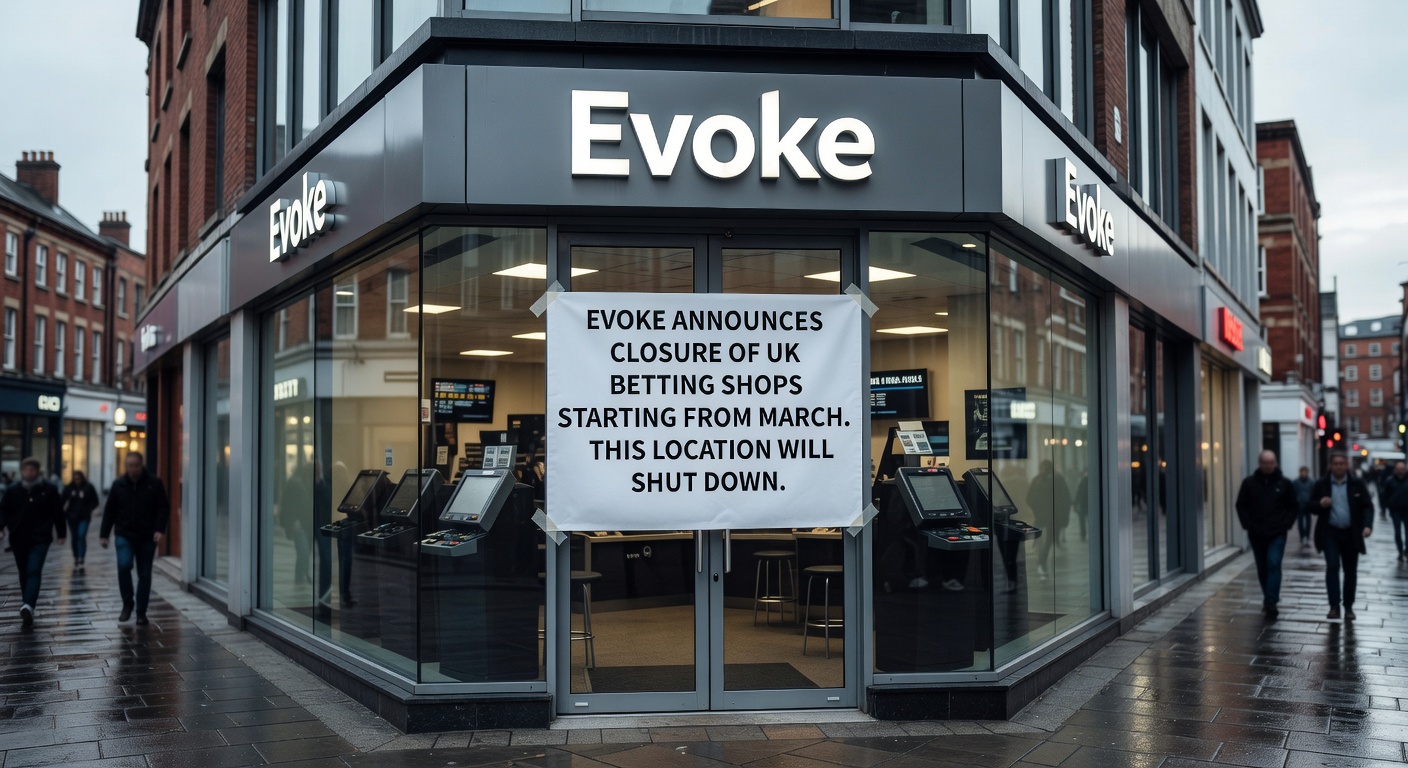
Shifting to the high street, retail betting volumes remained impressively consistent, with monthly over-the-counter bets ranging from 41 to 45 million across the covered period; GGY for these shops settled around £41-55 million per month, figures that data shows held firm despite broader sector headwinds like rising costs and digital shifts. People familiar with the beat know this steadiness isn't accidental—it's the result of loyal locals who prefer the chat and the slip over apps, keeping tills ringing even as online alternatives proliferate.
And yet, that £41-55 million monthly yield packs a punch, especially when stacked against the full market coverage of 70-90%; operators report these numbers as a lifeline, since retail's predictability offsets volatility in virtuals or casino plays. Observers note a subtle pattern too: higher-end GGY months often coincided with major sporting calendars, where football finals or racing festivals drew bigger crowds through the doors, blending tradition with timely spikes.
Turns out, this retail resilience shines brighter in April 2026 context, as recent shop closure announcements from firms like Evoke underscore the pressures—but these stats prove not everyone's folding, with volumes that rival pre-pandemic peaks in reliability.
Market Coverage and the Bigger Picture
The Gambling Commission's data spans 70-90% of online real-event and retail markets, a scope that researchers deem comprehensive enough to spot industry-wide truths; exclusions mainly hit smaller operators or niche segments, but the core insights hold, revealing how betting's traditional pillars weather growth elsewhere. Slots, for instance, continue their ascent—data from parallel reports shows their GGY surging—yet real-event and retail bets don't budge, highlighting a split where casual spins boom but serious punters stay loyal to events.
Here's where it gets interesting: that 70-90% capture rate means the 5.3 million players likely represent the bulk of dedicated bettors, while 264 million bets and £181 million GGY extrapolate to even larger totals industry-wide; retail's 41-45 million monthly slips, similarly scaled, suggest a hybrid ecosystem thriving on both screens and counters. Experts who've crunched the full datasets often discover that this coverage reveals underreported stability, countering narratives of outright decline.
One case in point comes from prior quarters' comparisons, where similar methodologies flagged early warning signs in yields—yet December 2025's slight dip feels more like fine-tuning than freefall, particularly with player numbers unmoved.
Resilience Amid Sector Shifts
What stands out most—without veering into speculation—is the contrast: while slots and other non-event products post gains, real-event betting's 5.3 million actives, 264 million bets, and £181 million GGY signal a segment that's not just surviving, it's anchoring the market; retail's £41-55 million monthly GGY echoes that, with 41-45 million bets proving foot traffic's not a relic. Data indicates this holds even as total gambling participation evolves, with events drawing repeat custom that flash games can't always match.
But the reality is, these trends inform April 2026 strategies—operators lean on this stability for budgeting, regulators use it for policy tweaks, and punters find familiar ground amid changes; studies of past releases show such resilience often precedes adaptation, like bolstering in-play features to retain those 264 million bets.
It's noteworthy that the slight GGY decline in real-events coincides with normalized post-event volumes, not dropout—players stick around, bets keep coming, and yields adjust accordingly, a cycle that's kept the sector humming for years.
Key Takeaways from the Data
- 5.3 million active players in real-event betting, placing 264 million bets for £181 million GGY.
- Retail over-the-counter bets: 41-45 million monthly, yielding £41-55 million.
- 70-90% market coverage highlights broad reliability.
- Stability persists despite slot sector growth and slight yield dips.
These bullets capture the essence, but the full report dives deeper into quarterly nuances that shape the story.
Conclusion
So as April 2026 unfolds with its mix of challenges and innovations, the Gambling Commission's December 2025 data serves as a steady compass—5.3 million players fueling 264 million real-event bets worth £181 million GGY, retail humming at 41-45 million slips and £41-55 million yields each month, all under 70-90% market scrutiny; this resilience, amid slots' rise, reminds everyone involved that betting's roots run deep, holding firm where others surge or stumble. Figures like these don't just tally activity—they map the path ahead, grounded in numbers that bettors and businesses alike can bank on.